
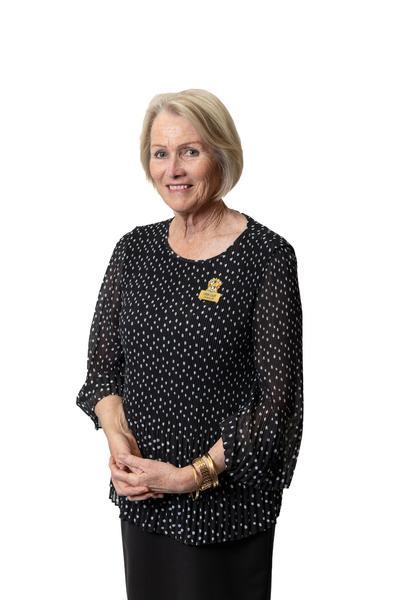
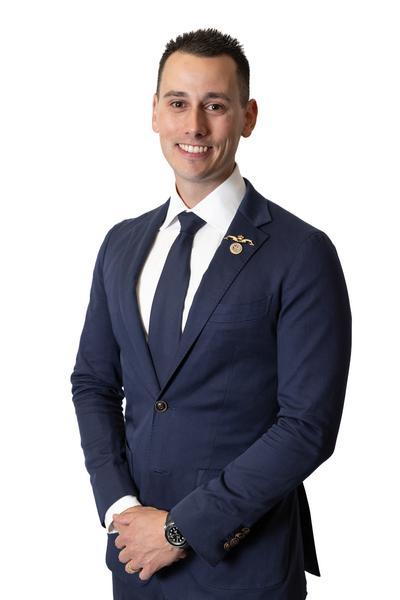
Council comprises the Mayor and 11 Councillors who look after the interests of the community.
The Mayor and Councillors, with their wealth of experience and commitment, serve to meet the requirements of the community at all times and are readily available to residents. Councillors represent one of the City's three wards:
- Baldivis Ward - three Councillors
- Comet Bay Ward - two Councillors
- Rockingham/Safety Bay Ward - six Councillors
Council members
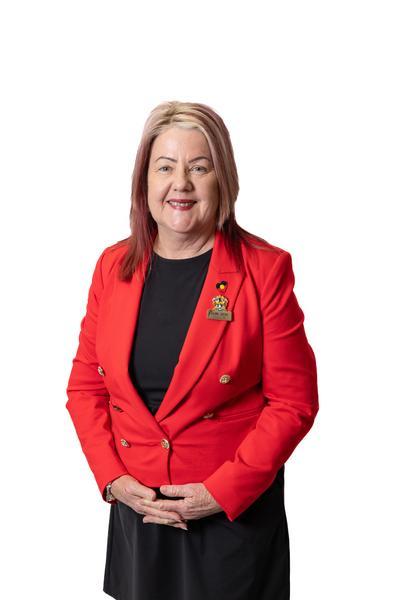
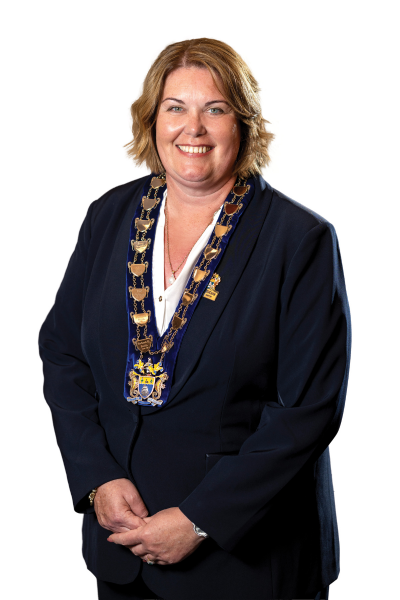 | Mayor Lorna BuchanMobile: 0420 596 453 Email: mayor.buchan@rockingham.wa.gov.au Term: 2025 - 2029 |
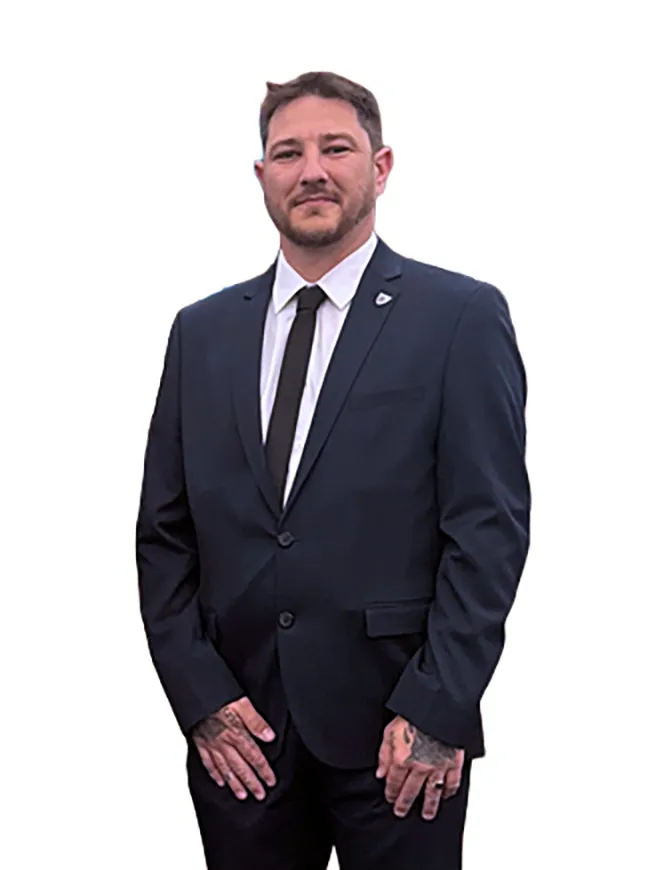
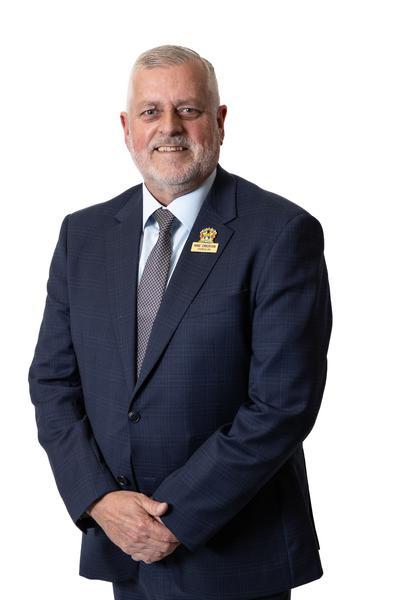 | Cr Mike CrichtonMobile: 0466 258 253 Email: cr.crichton@rockingham.wa.gov.au Term: 2023 - 2027 |
 | |
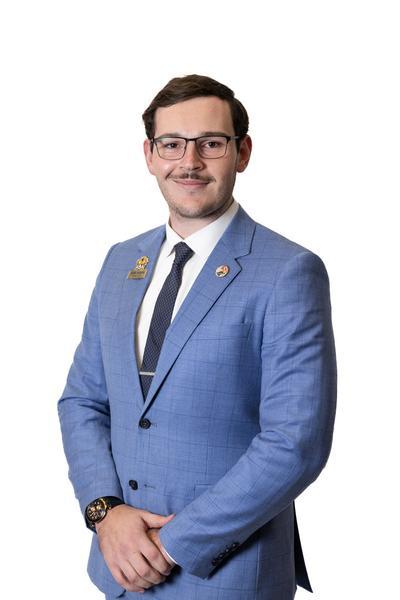
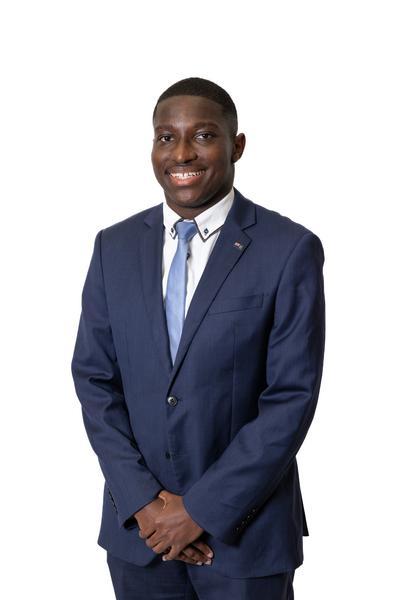 | Cr Dylan MbanoMobile: 0473 057 686 Email: cr.mbano@rockingham.wa.gov.au Term: 2025 - 2029 |
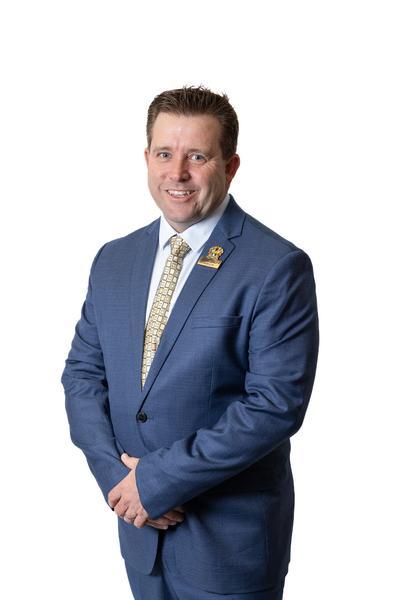
 | Cr David RudmanMobile: 0452 631 254 Email: cr.rudman@rockingham.wa.gov.au Term: 2025 - 2027 |
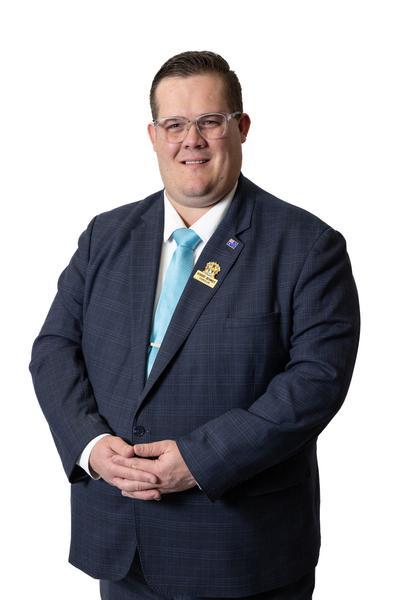 | Deputy Mayor Robert SchmidtMobile: 0415 420 706 Email: cr.schmidt@rockingham.wa.gov.au Term: 2025 - 2029 |
 | |
 | |
 | |
 | |
 | |
 |
Complaints about Council Members, Committee Members and Candidates
The City of Rockingham is committed to providing transparent and accountable leadership and governance to the community. The City of Rockingham Code of Conduct for Council Members, Committee Members and Candidates comprises three divisions relating to conduct:
- Division 2 – General Principles
- Division 3 – Behaviour
- Division 4 – Rules of Conduct
There are two pathways available for people who wish to make a complaint about the conduct of a Council Member, Committee Member or Candidate for election:
- Complaints managed by the City of Rockingham under its Code of Conduct
- Complaints made directly to the Local Government Inspector, an independent State authority
Which pathway applies depends on the type of conduct being complained about.
Anyone can make a complaint, including members of the public, council members and local government employees.
Code of Conduct
The Code of Conduct for Council Members, Committee Members and Candidates is based on the Local Government (Model Code of Conduct) Regulations 2021 and prescribes the expected standards. The purpose of the Code of Conduct is to guide decisions, actions and behaviours of council members, elected and unelected committee members, and candidates in local elections and for the City to address behaviour through education rather than sanctions.
Behavioural complaints (Division 3 – Behaviour)
Complaints about behavioural matters, such as personal integrity and use of social media, relationships with others, behaviour at council or committee meetings, are predominantly dealt with by the City. Council Policy – Code of Conduct Complaints Management Process outlines the way behavioural complaints are managed and how a determination is made.
The City’s approach to handling complaints is based on:
- confidentiality
- timeliness
- natural justice and due process
- fairness and impartiality.
If you wish to lodge a complaint, a complaint must be made using the Code of Conduct Breach Form within one month of the incident.
Please note: some behavioural complaints may be referred by the Local Government Inspector back to the City for consideration and action.
Independent oversight and complaints process
From 1 January 2026, complaints relating to local government conduct, compliance and integrity are overseen by the Local Government Inspector, an independent statutory officer established under the Local Government Act 1995 (WA).
The Local Government Inspector:
- receives and assesses complaints about Council Members, Committee Members and Candidates
- determines the type of complaint and the appropriate process
- refers matters for adjudication where required
- publishes findings and orders on their website.
Complaints that may be made to the Local Government Inspector
Complaints to the Inspector may include:
- Conduct breaches (previously called “minor breaches”), such as misuse of local government resources, conflicts of interest, or improper use or disclosure of information
- Specified breaches (previously called “serious breaches”), being offences set out in the Local Government Act 1995 and associated regulations
- certain behavioural complaints, particularly where referral by the Inspector is appropriate.
The Inspector may also deal with general complaints that relate to breaches or non-compliance that do not fall within behavioural, conduct or specified breaches.
The Inspector has replaced the former Local Government Standards Panel for new conduct breach matters received from 1 January 2026.
How to make a complaint to the Local Government Inspector
All complaints to the Inspector must be lodged using the forms and processes set out on the Local Government Inspector website, which includes:
- guidance on what complaints can and cannot be accepted
- time limits for making complaints
- confidentiality requirements
- penalties for providing false or misleading information.
- All complaints must, as far as possible, be dealt with confidentially until such a time as they are required to be reported to Council in accordance with the Council Policy or are otherwise lawfully made public or disclosed.
- Not all complaints fall within the jurisdiction of the City or the Local Government Inspector. The Local Government Inspector has provided additional information on complaints that fall outside the Inspector’s scope on their website.
- The Local Government Inspector publishes conduct breach findings and orders on their website.
If you are unsure whether your complaint should be made to the City or directly to the Local Government Inspector:
- review the City’s Code of Conduct for Council Members, Committee Members and Candidates and the guidance on the Local Government Inspector website, or
- contact the City for general guidance about the Code of Conduct complaint process (noting the City cannot provide advice about the merits of a complaint).
